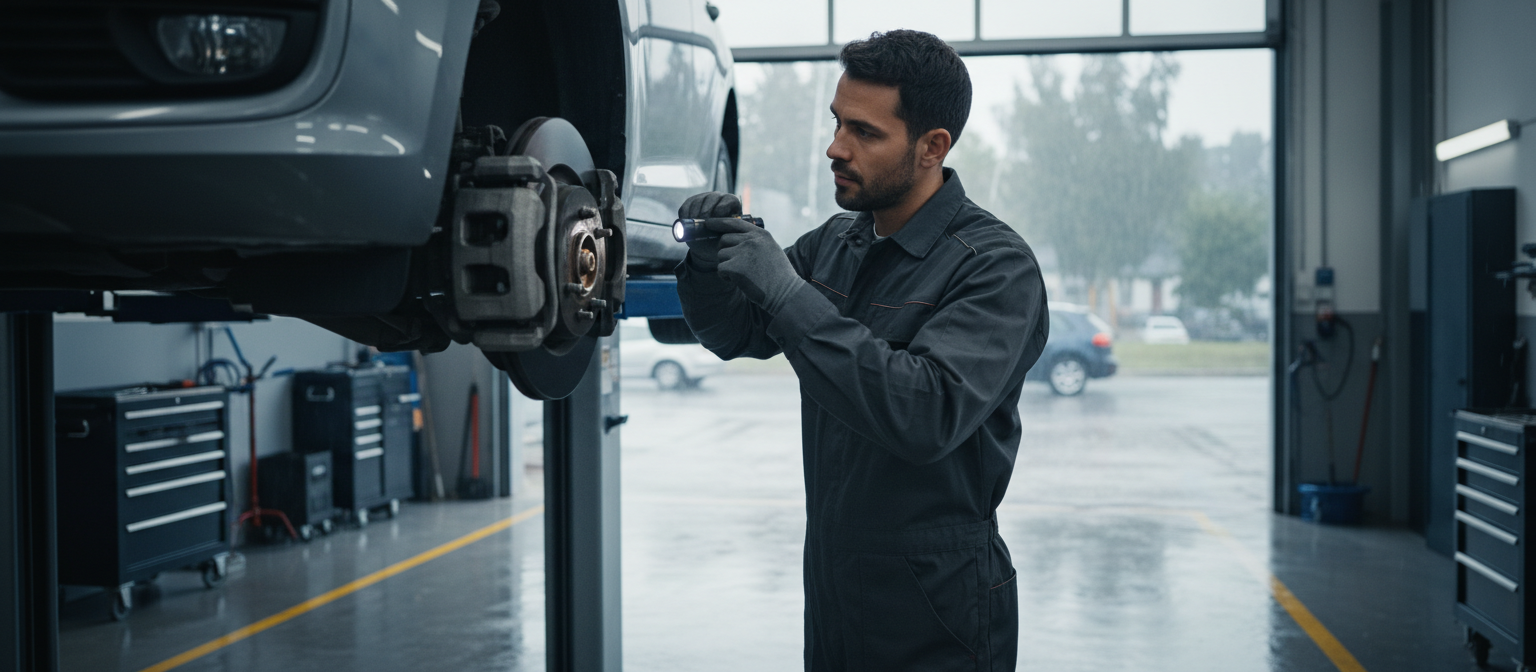
A brake inspection in Suwanee matters most right before the weather turns. As Suwanee's afternoon storms roll in through September, wet pavement on GA-400 and Peachtree Industrial Boulevard turns a minor brake issue into a real stopping-distance problem.
If you're not sure whether your pads, rotors, or fluid can handle the first heavy downpour, this guide breaks down exactly what to check. You'll know what matters, why it matters, and how to get ahead of it before you're caught off guard on a wet road.
Which Suwanee Driver Are You This Season?
Here's the thing: brake wear doesn't show up the same way for every driver. You might be someone who handles the school-run in Sugar Hill or near Suwanee Town Center, braking and starting every few hundred feet.
Or you're a GA-400 commuter, holding highway speed until traffic forces a hard stop. Some drivers are weekend haulers, pulling boats or gear toward Lake Lanier and asking their brakes to do more than usual.
Each pattern wears brakes differently. Knowing which one describes you helps you understand what your brake inspection
should actually focus on. This matters for anyone who wants fewer surprises once the rain starts.
Matching Your Driving to the Right Brake Service
Once you know your driving pattern, matching it to the right service is straightforward. A stop-and-go commuter needs different attention than someone hauling a trailer on weekends.
| If You're This Driver |
Consider This Service |
Why It Fits |
| Daily school-run parent on wet roads |
Full pad and rotor inspection |
Confirms shorter stopping distance for rain-soaked drop-off routes |
| GA-400 commuter merging at speed |
Brake fluid and line check |
Fluid condition affects how fast pads respond in fast-moving traffic |
| Weekend Lake Lanier hauler |
Brake and suspension pairing check |
Towing gear adds stress that shows up first in the brakes |
Drivers comparing these categories often realize they fall into more than one. That's normal, and it's exactly why a full inspection
looks at the whole system instead of guessing from one symptom. This benefits anyone juggling more than one type of drive during the week.
What This Looks Like on Your Actual Commute
Picture the merge onto GA-400 during a sudden afternoon downpour. Visibility drops, brake lights blur ahead of you, and stopping distance becomes the only thing that matters.
The curves on Buford Dam Road get slicker fast, and stop-and-go traffic near Suwanee Town Center means your brakes work overtime even on a dry day. Worn pads react slower exactly when wet roads demand faster response.
It's not the most exciting part of car ownership, but it's the part that keeps a routine errand from becoming a close call. A five-minute inspection now costs you far less hassle than a skid later.
This matters for anyone who drives these roads daily, rain or not.
What Happens After Your Inspection
Here's what tends to worry drivers most: surprise costs, unnecessary upsells, and losing half a day to a shop visit. A straightforward brake inspection addresses all three by telling you plainly what's wearing, what's fine, and what can wait.
This week, that might mean confirmation your pads have plenty of life left. Next season, it might mean a rotor resurfacing before winter. Either way, you're not guessing anymore.
Drivers who get ahead of seasonal checks tend to avoid last-minute repairs altogether. Commuters who wait until they hear grinding often face longer downtime and less certainty about what's actually wrong. Scheduling now through Schedule Service
means you're driving into rainy season with an answer instead of a guess.
Common Questions About Brake Inspections in Suwanee
How often should I get a brake inspection in Suwanee?
Most Suwanee drivers benefit from a brake check every six months or roughly every 12,000 miles. Commuters on GA-400 or drivers hauling toward Lake Lanier often need it sooner since heavier braking wears pads faster.
What are signs I need a brake inspection before it rains?
Squealing, grinding, a soft pedal, or a longer stop than usual are the clearest signs. Any of these matters more once Suwanee's wet-season storms start, since stopping distance already increases on rain-soaked pavement.
Does rain really affect how well my brakes work?
Yes, wet pavement reduces tire grip, which means your brakes need more distance to stop the car safely. Worn pads or low fluid make that gap even larger on roads like Peachtree Industrial Boulevard.
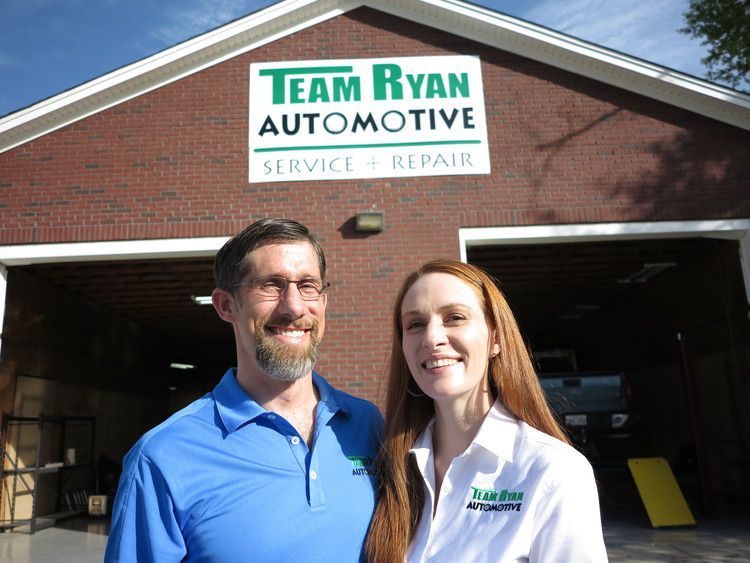
How long does a brake inspection take at Team Ryan Automotive in Suwanee?
A standard brake inspection usually takes under an hour at the Suwanee location. Most drivers get a clear answer the same visit, without needing to leave the vehicle overnight.
Ready for Whatever September Brings?
If wet Suwanee roads make you second-guess your stopping distance, a brake inspection settles the question before rain forces the issue. Getting ahead of it now means fewer surprises during the first real storm of the season.
Whether you're running school drop-offs, commuting GA-400, or hauling toward Lake Lanier on weekends, knowing where your brakes stand brings real peace of mind. Learn more about our team
or reach out to our team
with any questions before the rain does.