Why Does My Tire Pressure Light Come On In Cold Weather?

January 5, 2018
Why Does My Tire Pressure Light Come On In Cold Weather?
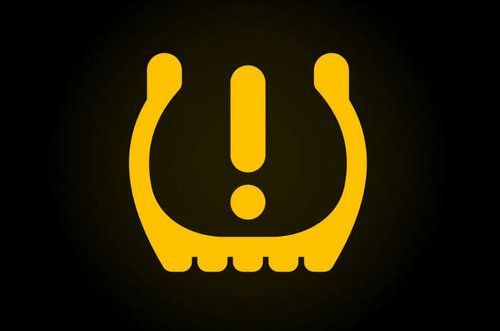
The purpose of the TPMS (Tire Pressure Monitoring System) is to alert you when tire pressure is too low and could to create unsafe driving conditions. If the light is illuminated, it means your tires could be underinflated, which can lead to undue tire wear and possible tire failure.


For every 10-degree drop in temperature, tire pressure decreases 1-2 PSI according to the Car Care Council. PSI stands for pounds per square inch, and is a common unit for measuring pressure. "Cold shrinks – warm expands, basically.  It's typical at this time of year for motorists to get TPMS warnings and then get worried about their tires." In this case, what's shrinking is the volume of the air, thanks to the cold weather. Thus, less air equals less well-filled tires.


The TPMS constantly checks air pressure via small sensors inside of the tire's air stems, explains Jason Lancaster, auto expert and founder of the site AccurateAutoAdvice. These systems, although well-intentioned, are not always totally accurate, and can be off by as much as 2 PSI.

SO WHAT SHOULD YOU DO IF YOU SEE THE TPMS LIGHT ON?

Find a safe place to pull out of traffic so you can stop to check your tires. NOTE: If you are driving at higher speeds (highway), immediately take firm hold of the steering wheel with both hands because, in the event that you are experiencing a blowout (rapid deflation), you'll need to be prepared to handle your vehicle. Then, slowly decelerate and move out of traffic.

Once you have checked to ensure you are not having a blowout, use a tire gauge to check the pressure of each tire against your manufacturer's recommended pressure level. (A tire gauge should be a standard component within your set of emergency items in your vehicle.) The recommended pressure level can be found on the tire placard, a label located just inside the driver's side door.

If you are not comfortable checking the tire pressure on your own, proceed with caution to have your tire pressure checked by a professional tire technician.*

Fill your tires to the proper placard tire pressure, either with the help of your nearest tire service center or by using a tire air supply at a nearby filling station.

If necessary, have any damaged tires, as well as the TPMS system, serviced at your nearest service center.

The TPMS light should turn off within several minutes after reinflating the tires to their recommended pressure.

*Checking tire pressure before you've driven on them, when the tire is "cold," is always the best way to get the most accurate reading.

TIRE PRESSURE AFFECTS HANDLING

According to the National Highway Traffic Safety Administration (NHTSA), nearly 250,000 accidents occur in the U.S. per year due to low tire pressure.


If my TPMS light comes on and I put air in my tires, will the light go off by itself or do I need to take my car to the dealer or a tire shop?


When the TPMS warning light comes ON and flashes ON for one second and OFF for three seconds, this indicates a problem with the vehicle's computer and can be corrected only by the dealership service center. When the TPMS warning light comes ON and stays ON, this indicates a low tire pressure condition in one or more tires. Inflating the tire to the recommended tire pressure found on the door placard should cause the light to turn OFF. Remember that one or more of the tires may be low in pressure, so you should always check the pressure in all of your tires.


If you add air and the problem persists, have a mechanic you trust check it out for you. And check your tires monthly to maximize tire health and spot problems early. The best time to do this is in the morning or when your vehicle hasn't been driven in several hours. The tires should be "cold" to give the most accurate reading. Not sure how to check tire pressure? Visit the DMV's step-by-step guide.

Happy 4th of July from The Best Auto Repair Shop
By Shara Ryan July 3, 2026
A blog post from the Team Ryan Automotive family
By Shara Ryan June 13, 2026
Tire Fixed - Road Trip Ready!
By Dan Ryan May 11, 2026
Staying on top of vehicle maintenance and knowing when to seek auto repair services can feel overwhelming. Between manufacturer recommendations, mileage intervals, seasonal considerations, and warning signs, how do you know what your vehicle needs and when? This comprehensive checklist provides Sugar Hill and Suwanee vehicle owners with a clear roadmap for maintaining their cars and trucks, preventing costly breakdowns, and ensuring safe, reliable transportation year-round. Why a Maintenance Checklist Matters Vehicle maintenance isn't just about following a schedule. It's about protecting your investment and ensuring your safety. A systematic approach to auto repair and maintenance helps you catch small issues before they become expensive problems, maintains your vehicle's resale value, ensures optimal fuel efficiency, and most importantly, keeps you and your passengers safe on Sugar Hill and Suwanee roads. This checklist combines manufacturer-recommended maintenance intervals with practical advice based on real-world driving conditions in Gwinnett County. Whether you're commuting on Highway 20, driving local roads, or making occasional highway trips, these guidelines will help you maintain your vehicle properly. Monthly Vehicle Checks You Can Do Yourself Check Fluid Levels Once a month, check your engine oil, coolant, brake fluid, power steering fluid, and windshield washer fluid. Your owner's manual shows where to find each reservoir. Low fluid levels can indicate leaks that need professional attention. If you notice consistently low levels or puddles under your vehicle, schedule an auto repair appointment immediately. Inspect Tire Pressure and Condition Proper tire inflation affects safety, handling, and fuel economy. Check tire pressure when tires are cold, using the recommended PSI listed on your driver's door jamb. While checking pressure, inspect tread depth using the penny test. Insert a penny into the tread with Lincoln's head down. If you can see all of his head, tires need replacement. Also look for uneven wear patterns, bulges, or damage that require professional evaluation. Test All Lights and Signals Walk around your vehicle and verify that headlights, taillights, brake lights, turn signals, and reverse lights all function properly. Ask someone to help check brake lights and reverse lights while you operate the vehicle. Replace burned-out bulbs promptly for safety and to avoid tickets. Every 3,000-5,000 Miles: Essential Maintenance Oil and Filter Changes Regular oil service is the single most important step for long-term engine life. At Team Ryan Automotive, we follow the TRA maintenance schedule and your vehicle’s needs based on mileage, driving conditions, and what we see during inspection. Every oil service includes a multi-point inspection to catch issues early. Tire Rotation Rotating tires every 5,000-7,500 miles promotes even wear and extends tire life. Front tires wear differently than rear tires due to steering and weight distribution. Regular rotation ensures all four tires wear evenly, maximizing their lifespan and maintaining balanced handling. Every 15,000-30,000 Miles: Intermediate Services Engine Air Filter Replacement A clogged air filter restricts airflow to the engine, reducing performance and fuel economy. Most air filters should be replaced every 15,000-25,000 miles, though driving in dusty conditions may require more frequent changes. During your oil change, ask the technician to inspect the air filter and replace it if necessary. Cabin Air Filter Replacement The cabin air filter cleans air entering your vehicle through the heating and air conditioning system. A dirty cabin filter reduces air flow and can cause musty odors. Replace it every 15,000-25,000 miles, or more frequently if you notice reduced air flow or unpleasant smells from your vents. Battery Testing and Cleaning Have your battery tested during routine maintenance visits to ensure it holds a proper charge. Most batteries last 3-5 years in Georgia's climate. Clean corrosion from battery terminals to maintain good electrical connections. If your battery is over three years old and showing signs of weakness like slow cranking, consider replacement before it fails unexpectedly. Every 30,000-60,000 Miles: Major Maintenance Intervals Brake Inspection and Service Brake pads typically need replacement every 30,000-70,000 miles depending on driving habits and conditions. Have brakes inspected at every tire rotation. Warning signs include squealing, grinding, vibration, or a soft brake pedal. Never ignore brake concerns. This is your vehicle's primary safety system. Quality auto repair shops in Sugar Hill and Suwanee like Team Ryan Automotive can inspect brakes and recommend service before problems become dangerous. Transmission Fluid Service Transmission fluid lubricates and cools the transmission—and when it’s neglected, expensive problems follow. At Team Ryan Automotive, we service transmission fluid based on the TRA maintenance schedule and driving conditions. Some vehicles are advertised as ‘sealed’ or ‘lifetime,’ but our approach is simple: we prioritize longevity and reliability, and we’ll recommend service when it’s due on our schedule or when inspection shows it’s needed. Coolant System Fluid Service Coolant protects against overheating and internal corrosion. At Team Ryan Automotive, we follow the TRA maintenance schedule for coolant service and confirm condition during inspection. In Georgia heat, keeping the cooling system healthy is non-negotiable for reliability. Every 60,000+ Miles: High-Mileage Maintenance Spark Plug Replacement Spark plugs ignite the air-fuel mixture in your engine. Modern platinum or iridium plugs can last 60,000-100,000 miles. Worn spark plugs cause misfires, rough idling, reduced power, and poor fuel economy. Replace spark plugs at recommended intervals to maintain engine performance and efficiency. Timing Belt or Chain Inspection If your vehicle has a timing belt (not all do), replacement is typically required every 60,000-100,000 miles. A broken timing belt can cause catastrophic engine damage. Check your owner's manual for specific intervals and have the belt replaced on schedule. Timing chains generally last much longer but should be inspected for wear at high mileage. Warning Signs That Require Immediate Auto Repair Warning signs that require immediate attention: Warning lights (check engine, oil pressure, brake, ABS): don’t ignore them. Noises (grinding, squealing, knocking, rattling): get it checked early. Leaks or low fluids: puddles, smells, or repeated top-offs mean a problem. Performance changes: rough idle, hesitation, hard starts, loss of power. Steering/braking changes: pulling, vibration, longer stopping distance. If you notice any of these, early diagnosis almost always costs less than waiting for a failure. Fluid leaks create puddles under your parked vehicle and indicate problems that can worsen quickly. Changes in vehicle behavior such as rough idling, difficulty starting, loss of power, or unusual vibrations require diagnosis. Steering problems including pulling to one side, vibration, or unusual effort suggest alignment, tire, or suspension issues. Don't wait when you notice these signs. Early diagnosis and repair almost always cost less than waiting until something fails completely. Team Ryan Automotive provides expert diagnostic services to identify problems accurately and recommend appropriate repairs. Seasonal Maintenance for Georgia Climate Summer Preparation Georgia summers are brutal on vehicles. Before hot weather arrives, have your air conditioning system inspected and serviced. Check coolant levels and condition to prevent overheating. Inspect belts and hoses for cracks or wear because high temperatures accelerate deterioration. Ensure your battery is in good condition as extreme heat shortens battery life. Winter Readiness While Sugar Hill and Suwanee winters are mild, preparation still matters. Check your battery as cold weather reduces its capacity. Inspect windshield wipers and replace if streaking or skipping. Ensure heater and defroster work properly. Verify tire tread depth is adequate for occasional wet or icy conditions. Maintaining Service Records Keep detailed records of all maintenance and repairs. Note dates, mileage, services performed, and parts replaced. This documentation helps you track upcoming maintenance, proves service history when selling your vehicle, and helps technicians diagnose recurring problems. Quality auto repair shops like Team Ryan Automotive maintain detailed service records for your convenience, but keeping your own records provides backup documentation. Choosing the Right Auto Repair Shop in Sugar Hill & Suwanee Even with the best maintenance checklist, you need a trustworthy auto repair shop to perform services correctly. Look for shops with ASE-certified technicians, modern diagnostic equipment, transparent pricing, and solid warranties. Read reviews from other Sugar Hill and Suwanee residents to gauge reputation and customer satisfaction. Building a relationship with one shop ensures they know your vehicle's history and can provide personalized recommendations. Team Ryan Automotive serves as a trusted partner for countless local drivers, combining technical expertise with honest, customer-focused service. Schedule Your Maintenance Service Today Use this checklist to stay on top of your vehicle's maintenance needs. When service is due or you notice warning signs, contact Team Ryan Automotive to schedule your appointment . Our experienced technicians provide comprehensive auto repair and maintenance services for all makes and models, helping Sugar Hill and Suwanee vehicle owners keep their cars and trucks running safely and reliably. We'll review your vehicle's service history, perform a thorough inspection, and provide honest recommendations for any needed maintenance or repairs. Let us help you protect your investment and ensure worry-free driving for years to come. Conclusion Following a comprehensive auto repair and maintenance checklist keeps your vehicle running reliably while preventing expensive breakdowns. From monthly fluid checks to major service intervals, staying organized ensures nothing falls through the cracks. Pay attention to warning signs that require immediate attention, prepare for seasonal challenges, and maintain detailed service records. Most importantly, partner with a trusted auto repair shop in Sugar Hill or Suwanee like Team Ryan Automotive to handle all your vehicle care needs with expertise and integrity. Your vehicle is a significant investment. Treat it right with regular maintenance and professional care.
Show More