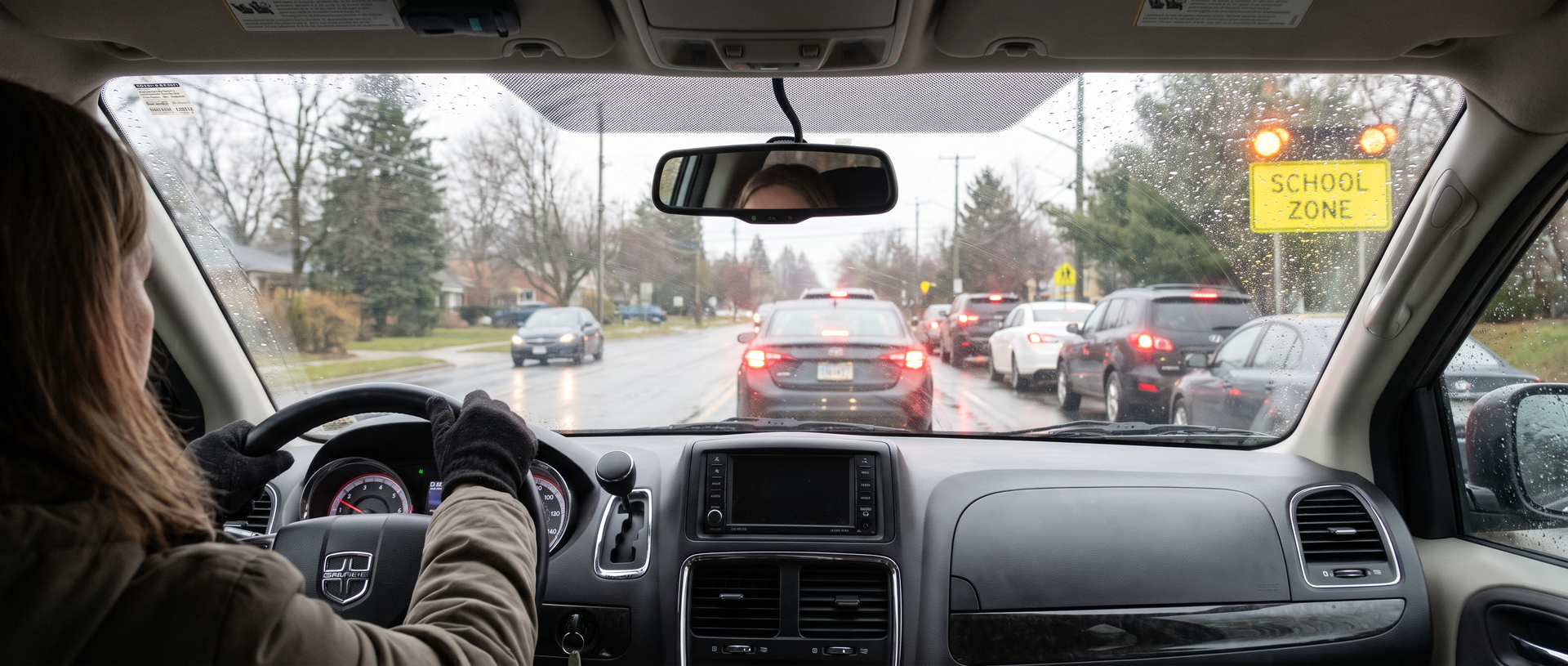
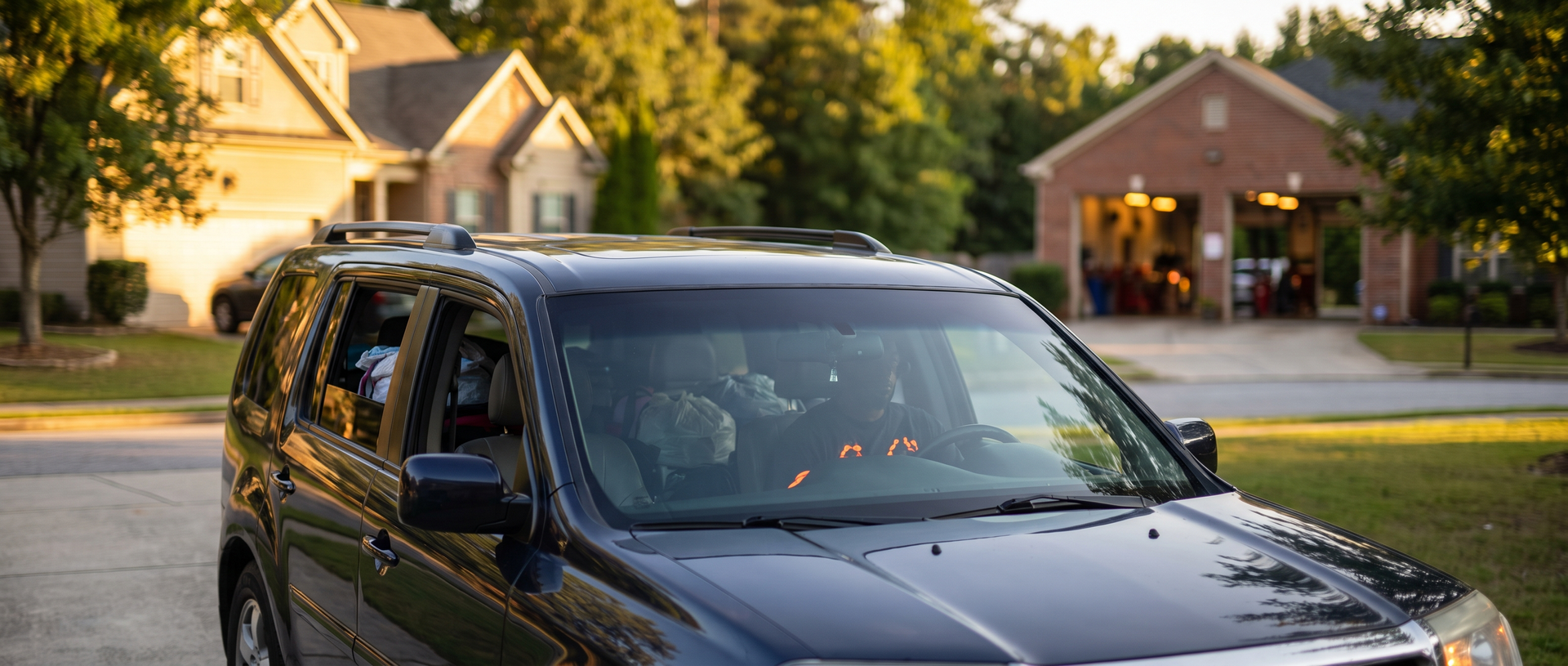
That grinding sound from your brakes in stop-and-go school traffic isn't something to shrug off, especially when it shows up right as you're inching through the carpool line in Buford, Cumming, or Suwanee. Georgia's school-zone stop-and-go pattern is uniquely hard on brake components. Here's what's actually happening under your car, and how to know if it's time to get it looked at.
What Kind of Carpool-Line Driver Are You?
Most parents fall into one of three patterns once brakes start grinding. The Noticer hears it once near school and starts listening for it every time they slow down. The Pusher-Through keeps driving through pickup lines at Mall of Georgia or along GA-400, hoping the sound fades on its own. The Planner books a quick look before the noise becomes a bigger job.
None of these reactions is wrong, but they lead to very different outcomes. If daily stop-and-go through Suwanee Town Center or Cumming City Center is part of your routine, your brakes work harder than most. Our brake service team
can tell you which pattern you're in within minutes.
Which Fix Fits What You're Hearing
The sound itself is a clue. Matching what you're hearing to what's actually happening under the wheel well helps you decide how soon to act.
| If This Sounds Like You |
What's Likely Happening |
Why It Matters |
| Occasional light grinding only when slowing near the school entrance |
Worn brake pad wear indicators contacting the rotor |
Early signs are usually the simplest to address |
| Grinding plus a light pull to one side in carpool lines |
Uneven pad wear from repeated stop-and-go braking |
Left alone, uneven wear can affect the rotors next |
| Grinding that's gotten louder over a few weeks of drop-off runs |
Pads worn down closer to the metal backing |
This stage often means rotors need a look too |
| Grinding only on humid Georgia mornings |
Surface rust build-up after overnight moisture |
Often clears with driving, but worth confirming |
None of these situations mean you did something wrong. Stop-and-go school traffic is simply harder on brake pads than open highway driving, and catching the pattern early is what keeps a small fix from becoming a bigger one. Our current service offers
make it easier to get that early look.
What This Sounds Like on Buford Dam Road and GA-400
Stop-and-go pickup lines aren't the only local pattern working against your brakes. Georgia's humid mornings around Lake Lanier and Buford Dam Road add surface moisture that settles on rotors overnight, and the first few stops of the day can sound rougher than they actually are.
Repeated light braking, like the kind you do easing through a school zone or crawling along GA-400 during rush hour, wears pads down faster than steady highway driving.
It's not flashy or dramatic. It's just physics, since wear happens where the braking happens most.
If the grinding only shows up on your morning drop-off and quiets down by afternoon pickup, that's a pattern worth mentioning to a technician, not a reason to panic.
What Happens After You Get It Checked
Getting brakes looked at is usually faster than parents expect, and it doesn't have to disrupt a packed school-year schedule.
Week one typically means a quick inspection to confirm what's actually causing the grind, whether it's pad wear, rust, or something else entirely. If a repair is needed, most stop-and-go brake jobs are straightforward and don't sideline a car for long.
By the following month, most drivers say the carpool line feels normal again, with no noise and no second-guessing at every stop sign near school. Scheduling a visit
at one of our three locations is usually the simplest part of the whole process.
Common Questions About Grinding Brakes in Buford, Cumming, and Suwanee
Why do my brakes grind only in stop-and-go traffic?
Stop-and-go braking, like school drop-off in Buford or Cumming, wears pads down faster than steady highway driving because you're braking more often at lower speeds. That repeated friction is usually what triggers the grinding sound first.
Is it safe to keep driving to school pickup if my brakes are grinding?
A grinding sound means it's time to have your brakes checked soon, not necessarily an emergency. Most drivers can safely make it to a nearby Buford, Cumming, or Suwanee location for an inspection, but the sound shouldn't be ignored for long.
What does a grinding sound usually mean for brake repair?
Grinding often means the pad material has worn down and metal is contacting the rotor, though it can also be surface rust after a humid Georgia morning. A quick inspection is the only way to know which one you're dealing with.
Can pollen or rust cause brakes to grind in Georgia mornings?
Yes, overnight moisture near Lake Lanier and surrounding areas can leave a thin layer of surface rust on rotors, which sometimes sounds like grinding for the first few stops. It typically clears with normal driving, but a technician can confirm it's nothing more.
Quieter Mornings Are Worth the Quick Check
A grinding sound during school traffic is your car's way of asking for a quick look, not a reason to worry through every carpool line. If the noise showed up recently, an early inspection keeps things simple. If it's been building for weeks, now is a reasonable time to get it checked. Either way, quieter mornings are the goal. Reach out to our team
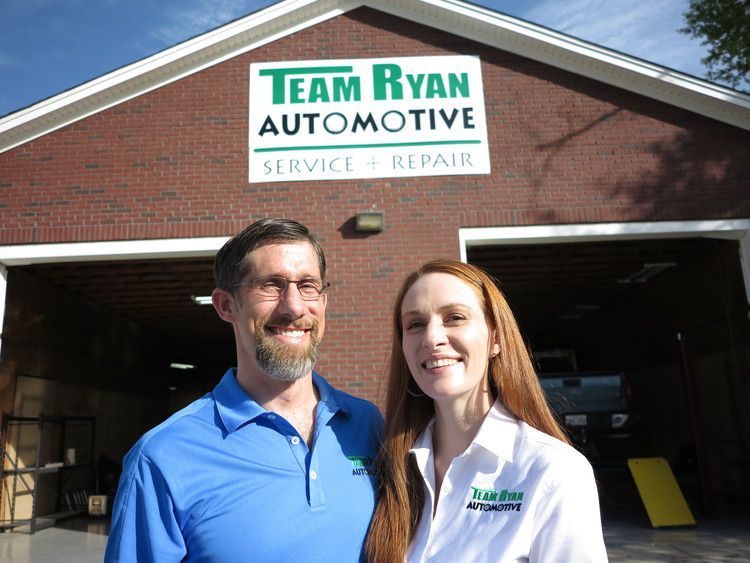
or learn more about Team Ryan Automotive
before your next drop-off.