
Tire Rotation Tips Before Your McGinnis Ferry Road Commute
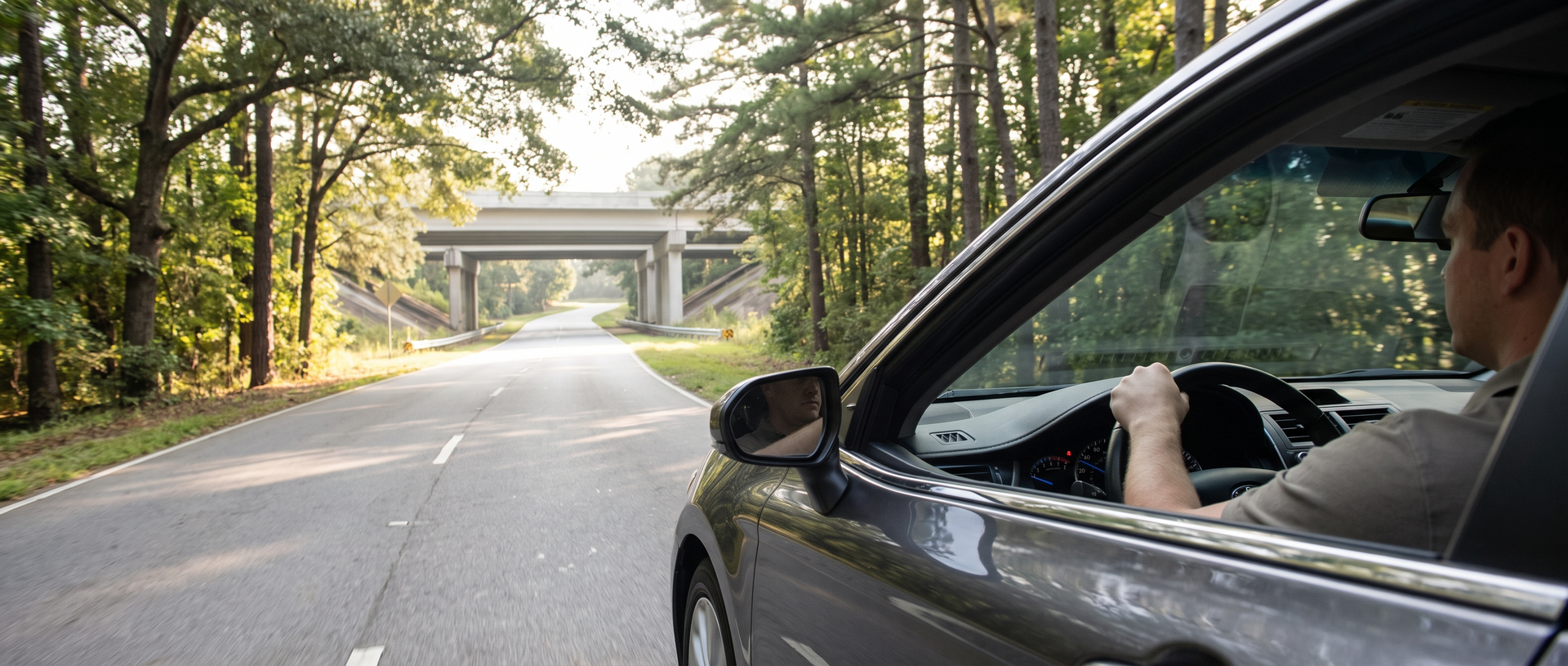
Tire rotation matters more than most commuters realize once McGinnis Ferry Road becomes part of the daily routine. Between Suwanee, Sugar Hill, and the GA-400 interchange, this corridor's tight curves and stop-and-go traffic wear tires unevenly faster than typical suburban driving.
That uneven wear shows up as vibration, pulling, or a shorter tire lifespan you didn't see coming. Most drivers don't notice until the ride already feels different. This guide breaks down when to rotate, what to watch for, and how to keep your daily drive predictable.
Which Kind of McGinnis Ferry Commuter Are You?
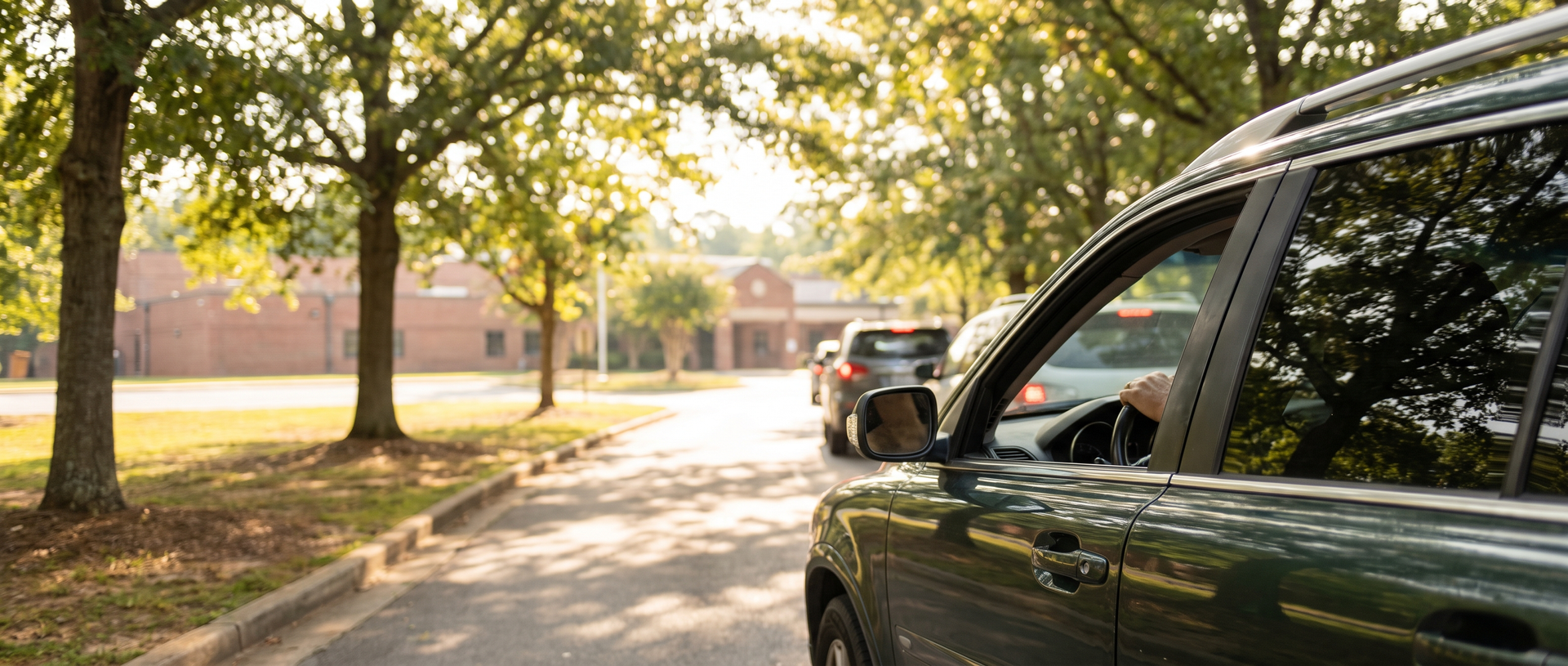
Every daily drive wears tires differently, and McGinnis Ferry Road commuters tend to fall into a few clear patterns. You might be someone who takes the same stretch between Suwanee and the GA-400 interchange every weekday, hitting the same curves at the same speed.
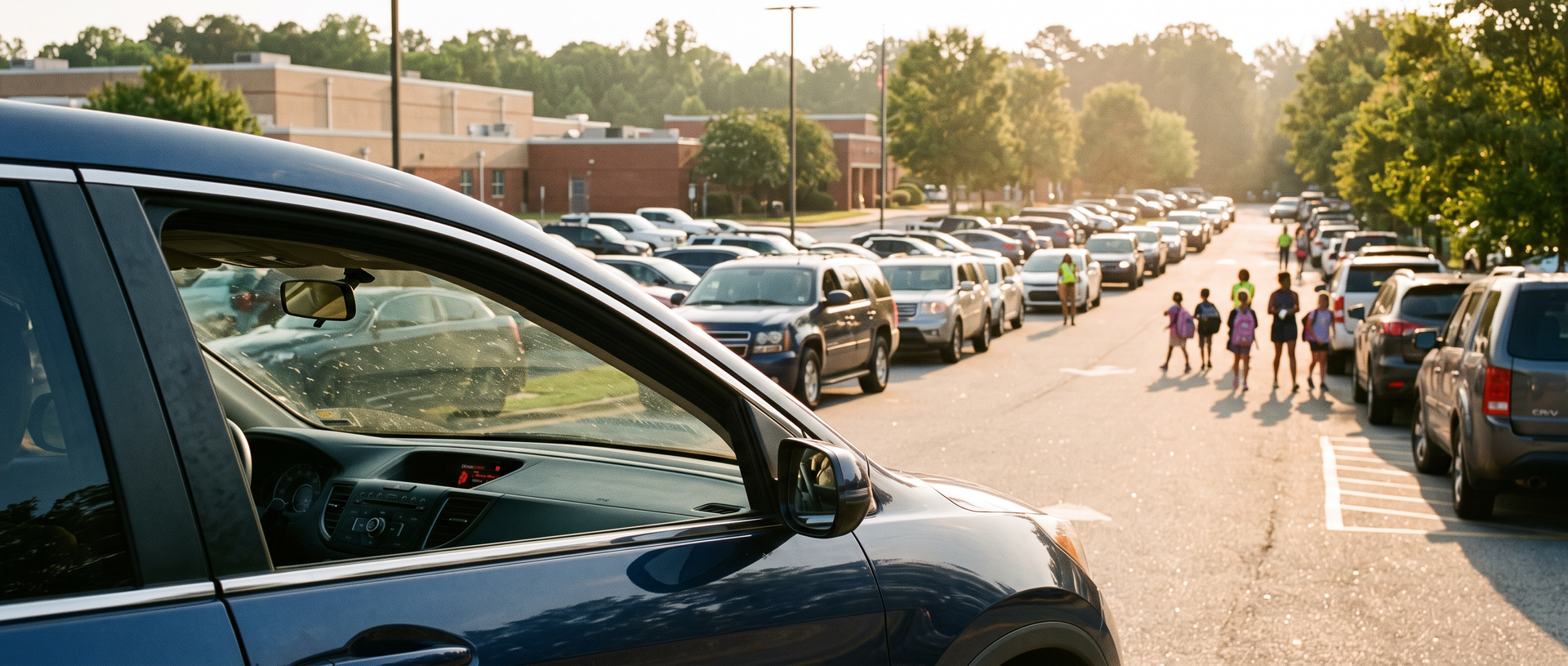
Other drivers weave through Peachtree Industrial Boulevard and Suwanee Town Center on the way to appointments in Cumming or near Buford Dam Road, adding stop-and-go braking into the mix. Some stretch their weekly mileage even further with trips toward Sugar Hill.
Georgia summers add another layer to the equation. Heat softens rubber and accelerates wear on whichever tires are working hardest, so a commuter making the same McGinnis Ferry run every day in July often sees faster wear than someone driving the same mileage in cooler months.
Whichever pattern fits your week, our team can walk through your specific driving habits during a visit and explore our full lineup of maintenance services.
Matching Your Commute to a Rotation Schedule
Not every commute wears tires the same way, so a single rotation interval doesn't fit everyone on this corridor. Here's how your typical week can point you toward the right rhythm.
| If You're This Buyer | Consider This | Why It Fits |
|---|---|---|
| Straight-Shot Commuter on McGinnis Ferry | Rotate every 5,000 to 6,000 miles | Repeated curves near GA-400 wear front tires faster |
| Cross-Town Connector via Peachtree Industrial | Rotate every 5,000 miles with an alignment check | Frequent stop-and-go braking adds uneven pressure |
| Weekend Explorer adding Lake Lanier or Mall of Georgia trips | Rotate on a tighter seasonal schedule | Mixed surface driving accelerates tread differences |
Staying close to whichever pattern fits your week helps tires wear evenly, which means fewer surprises heading into your next commute. Current seasonal offers can make it easier to stay on schedule.
What Uneven Wear Feels Like on Your Daily Drive
Uneven tire wear rarely announces itself with a warning light. Instead, it shows up as a faint vibration through the steering wheel around 55 to 60 miles per hour, right where McGinnis Ferry opens up past the GA-400 merge.
Some drivers notice their car pulling slightly toward the shoulder on the curves near Suwanee Town Center. Others just feel more road noise than they remember, or notice the tread looks shallower on one side when they glance down at a red light.
Parking on the inclines near Lake Lanier's boat ramps or making repeated hard stops around Suwanee Town Center crosswalks can accelerate wear on tires that are already uneven. It's a small detail, but it adds up faster than most drivers expect.
None of this means something is broken. It usually means the tires have been doing more work on one side of the car than the other, and catching it early keeps a normal wear pattern from turning into an early replacement.
What Regular Rotation Looks Like Over Time
Rotating tires on a predictable schedule is one of the simplest habits for protecting a vehicle you rely on every day. Month one after a rotation, most drivers notice nothing different, which is exactly the point.
By year one or two, that consistency starts to matter more. Tread wears evenly across all four tires instead of concentrating on the two doing the hardest work through McGinnis Ferry's curves, which stretches out the time before replacement becomes necessary.
Drivers who stay ahead of rotation schedules also tend to face fewer surprises when it's time to replace tires altogether. Instead of an unexpected trip to the shop mid-week, replacement becomes something you can plan around.
Reliability isn't glamorous, but it's what keeps a daily commute predictable. You can read more about how our team approaches long-term vehicle care on our about us page.
Common Questions About Tire Rotation Near McGinnis Ferry Road
How often should I rotate my tires if I commute on McGinnis Ferry Road?
Most McGinnis Ferry commuters should rotate tires every 5,000 to 6,000 miles. The corridor's curves near the GA-400 interchange create uneven front-tire wear faster than typical suburban routes, so staying consistent helps tires last longer.
What are the signs I need a tire rotation?
Vibration in the steering wheel, a car that pulls slightly to one side, or noticeably shallower tread on one tire are common signs. Suwanee and Sugar Hill drivers often notice these first on curves or highway on-ramps.
Does tire rotation help with highway merging near GA-400?
Yes, evenly worn tires grip more predictably during merges and lane changes near GA-400. That matters most on McGinnis Ferry Road, where traffic frequently slows and accelerates through the interchange.
Can I keep driving if I skip a rotation?
You can, but uneven wear will likely progress faster on curve-heavy roads like McGinnis Ferry. Skipping rotations often shortens overall tire life and can affect handling during sudden stops.
Keep Your McGinnis Ferry Commute Predictable
If your week includes McGinnis Ferry Road, tire rotation is one of the easiest ways to keep that drive predictable. Even wear means fewer vibrations, more confident merges near GA-400, and tires that simply last longer. Whether your week is the same straight shot every day or a mix of errands across Suwanee and Cumming, staying ahead of tire wear keeps one more variable off your plate.
Our team can check your current pattern through contact us or get you on the calendar through schedule service. A quick rotation now means one less thing to think about on tomorrow's commute.